
Any paint needs to be thinned or thinned. Solvents capable of bringing the paint to the required viscosity and density. Viscosity strengthens adhesion, and therefore the paint lasts a long time. It is necessary to correctly select the solvent so that the diluted paint does not turn and does not resemble semolina.
Depending on the type of paint, the following solvents are used:
Water – acrylic paints, water-based paints and other dispersion paints
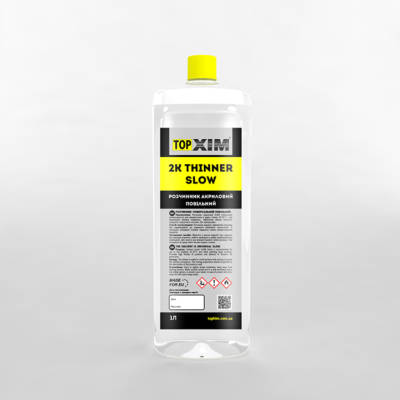
Acrylic solvent – two-component acrylic paints, acrylic primers, polyurethane resins, varnish bases
Gasoline (gasoline galoshes, nefras) – oil and bituminous paints, varnishes, enamels
Turpentine – oil and alkyd-styrene paints
White spirit – oil paints and enamels (including PF-115, PF-133, PF-266), bituminous mastics, varnish GF-166, primer GF-021
Solvent – glyphtal and bituminous varnishes and paints (including melaminoalkyd).
Xylol – glyphthalic and bituminous varnishes and paints, epoxy resins.
Acetone – perchlorvinyl paints
Solvent 645 is a nitrocellulose solvent
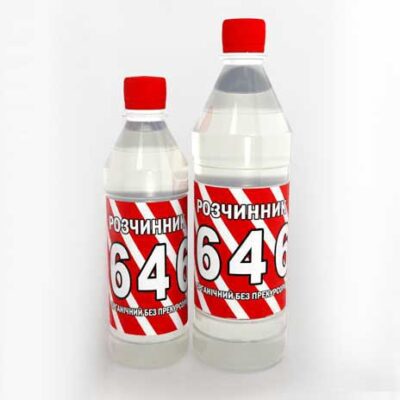
Solvent 646 – solvent for nitro paints, nitro enamels, general purpose nitro lacquers, also epoxy, acrylic, solvent
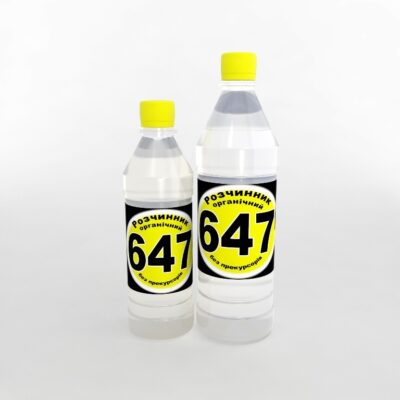
Solvent 647 – for nitroenamels, nitrolacquers for cars
Solvent 649 – NC-132K; GF-570Rk
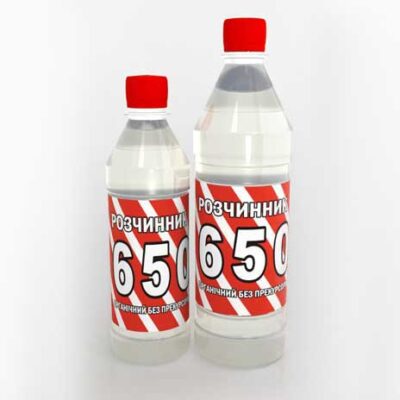
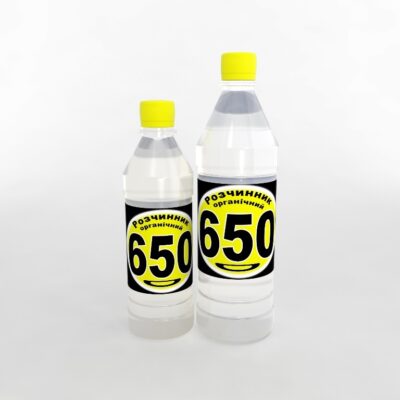
Solvent 650 – NC-11 car enamel; GF-570Rk
Solvent 651 is an oil solvent
Solvent P-4 – polyacrylate, perchlorvinyl, LFM with copolymers vinyl chloride with vinylidene chloride or vinyl acetate
Solvent P-5 – perchlorvinyl, polyacrylate, epoxy
Solvent P-6 – melamine-formaldehyde, rubber, polyvinyl-butyral
R-Solvent 7 – Varnish dilution VL 51