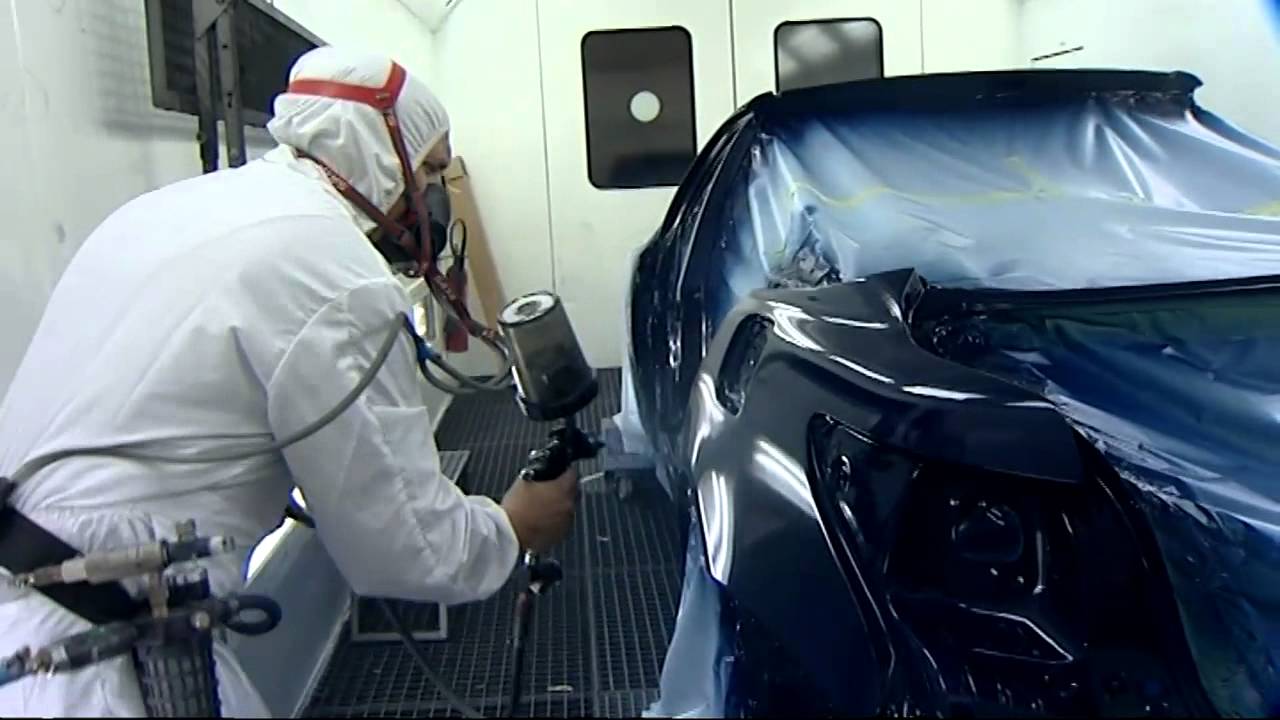
Solvent for automotive paint is a necessary element in painting technology, the result directly depends on its composition and quantity.
Depending on the type of paint, one or another solvent is used.
All modern automotive paints are divided into four types:
- Acrylic is the most common type that requires a hardener
- Nitro enamels are the most popular synthetic nitro enamel with a metallic effect
- Alkyd enamels
- Water-based paints are gaining popularity due to their environmental qualities
Acrylic car paint
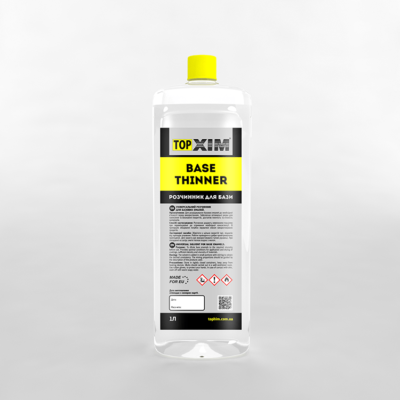
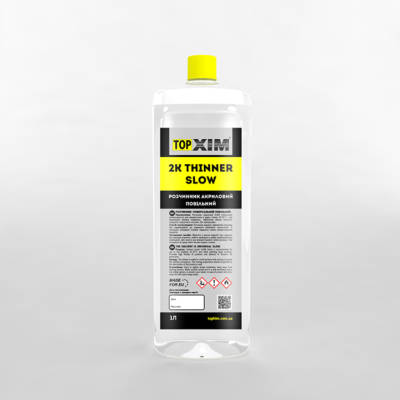
Any acrylic car paint is water-based and has a bright color. It is easy to apply and dries quickly, but before use it needs to be mixed with a certain hardener. Only after that, it is brought to the required consistency with a solvent for acrylic car paints.

Nitro enamel
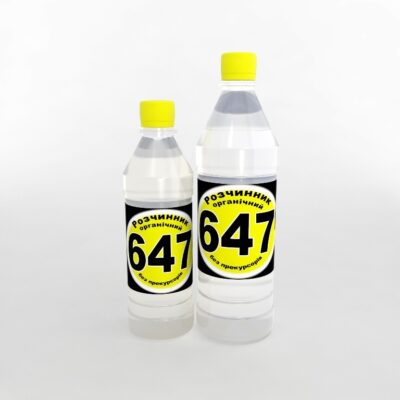
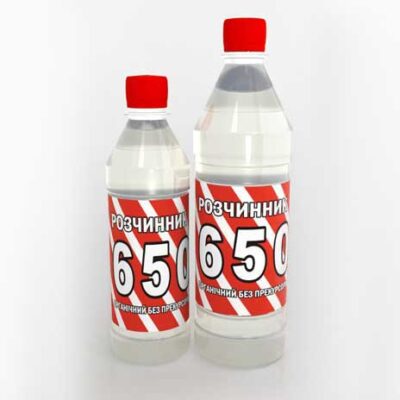
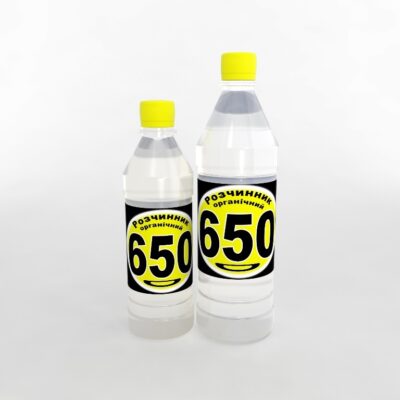
Nitro enamels are intended for application on cars. They can be diluted with 647 solvent. However, it should also be used with extreme caution due to its rather aggressive composition. Solvent 650 has a slightly softer composition, the use of which is recommended when working with most enamels and varnishes.
Alkyd enamel
Alkyd enamels are recommended to be diluted with multi-component solvent P-4, consisting of a mixture of toluene, butyl acetate and acetone. It can also be used with enamels based on chlorinated polymers (XS and XV). The latter can be diluted with pure toluene and xylene.
Water-based paint
Water-based paints are rapidly gaining popularity. As the name suggests, they can be diluted with distilled water, alcohol, or ether. If you choose ether or alcohol for work, you should remember that not every mixing option is compatible. To pre-eliminate problems, you need to check the paint for coagulation. For this, it is recommended to use a small part of the paint.
We offer: