
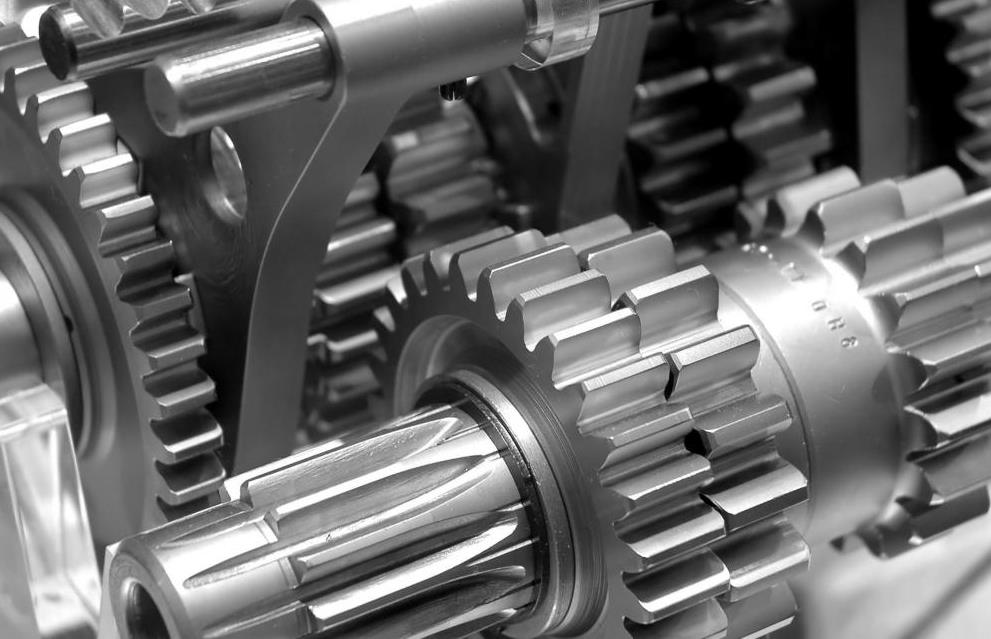
During the operation of various types of equipment in most industries, it is necessary to wash and clean the parts of the mechanisms from time to time. It is necessary to ensure high-quality removal of soot, fats, lubricants, other organic deposits from the surface of nodes or elements of machine tools, transport, production and other equipment.
Depending on the type of technical detergent used, methods of chemical cleaning of parts from oil and grease pollution are divided into two types:
- cleaning with alkaline water-soluble means;
- cleaning with organic solvents.
In the first case, jet-type washing devices with heating of the alkaline solution to 60-70C became the most common.
Removal of surface contaminants with organic solvents should precede further processing. The main method of removing impurities of this type from the metal surface is the use of special degreasing agents. The simplest of them can be organic solvents at room temperature, the processing of which is carried out by immersing or washing parts. Oils, fats, varnishes are softened under the action of the solvent and removed into solution, and insoluble sediment and metal particles are separated and sink to the bottom of the bath for degreasing.
Organic solvents have a high dissolving capacity for many pollutants, they are chemically and physically stable, do not contain water (there is no risk of corrosion), and evaporate quickly. Other advantages of cleaning in solvents: the possibility of cleaning large parts without placing them in containers; the possibility of regeneration of solvents, etc.
The disadvantage of organic solvents is their high fire and explosion hazard, some of them (xylene, toluene) are harmful to health.
To obtain the necessary cleanliness of the controlled surface and the defect, repeated processing with the successive application of several solvents or new portions of the same solvent is often necessary. For example, the most common oily contamination cannot be completely removed in one go, because an oil solution is formed in organic solvents. Therefore, the next time cleaning is not done with a solvent, but with a solution of oil in a solvent. When the latter evaporates, the thinnest layer of oil remains on the surface of the part. In this case, treatment with solvents should be performed in several stages. At the same time, especially when changing solvents, it is necessary to ensure that the next solvent dissolves the remnants of the previous one. The final solution should be the most volatile solvent, usually acetone, so that the surface and the defect are clean and dry before the start of inspection. Paint coatings (nitrocellulose, perchlorvinyl, etc.) are removed with the help of various mixtures of organic solvents, which are called washes.
The following solvents are most often used for washing and cleaning parts: gasoline, alcohol, acetone, carbon tetrachloride, trichlorethylene, methylene chloride, solvent, solvent 646, solvent 647, solvent 650, solvent P-4, solvent P-5, solvent RP Cleaner Washing TM TOPchem .