
Solvents (from the Latin solvere, “to weaken”) are liquid, solid or gaseous substances capable of dissolving other solid, liquid or gaseous substances that dissolve in a certain volume of solvent at a given temperature.
The main requirements for safe work are determined by the toxic fire-hazardous properties of solvents and are as follows:
- prevent the appearance of impulses (sources) of ignition (impact, friction, sparks of electrical equipment, static electricity, secondary and primary manifestations of lightning, open fire, smoking);
- prevent the appearance of a mixture of explosive vapors of solvents in the air (flow, leakage of equipment, evaporation from open surfaces, rupture of devices, emergency emissions, breathing tanks, etc.);
- ensuring safe hygienic and sanitary working conditions;
- correct and timely use of personal protective equipment and fire extinguishing;
- the ability to provide timely first aid to the victim in case of accidents.
Premises and buildings in which work with multicomponent solvents is carried out must be reliably isolated from other premises. Also, they must be equipped with supply and exhaust ventilation, and if necessary, special local pumps, which ensure the permissible concentration of solvent vapors inside the room.
When performing work in places where the formation of explosive mixtures of solvent vapors with air is possible, to avoid sparks from impacts, it is strictly forbidden to use steel hand tools. In such cases, a copper, brass or bronze tool should be used, that is, from metals that do not give off sparks when struck. As for the steel cutting tool, it should be abundantly lubricated with consistent lubricants (tavot, solidol, etc.).
It is forbidden to work in shoes with metal studs, in explosive and fire-hazardous premises. Electrical equipment, electrical equipment, lighting fittings and electrical wiring in the premises must be used in accordance with the rules for the arrangement of electrical installations and be in a fully working condition.
In order to protect against static electricity, as well as the secondary manifestation of lightning (electromagnetic and electrostatic induction), which can easily cause explosions and fires, it is necessary to ground communications, equipment, containers and tanks. It is also recommended to humidify the air in dangerous rooms to 70% relative humidity or to moisten the electrified surface, to equip the floor with an increased electrical conductivity, and also to arrange conductive grounding of the dangerous area in order to remove static electricity.
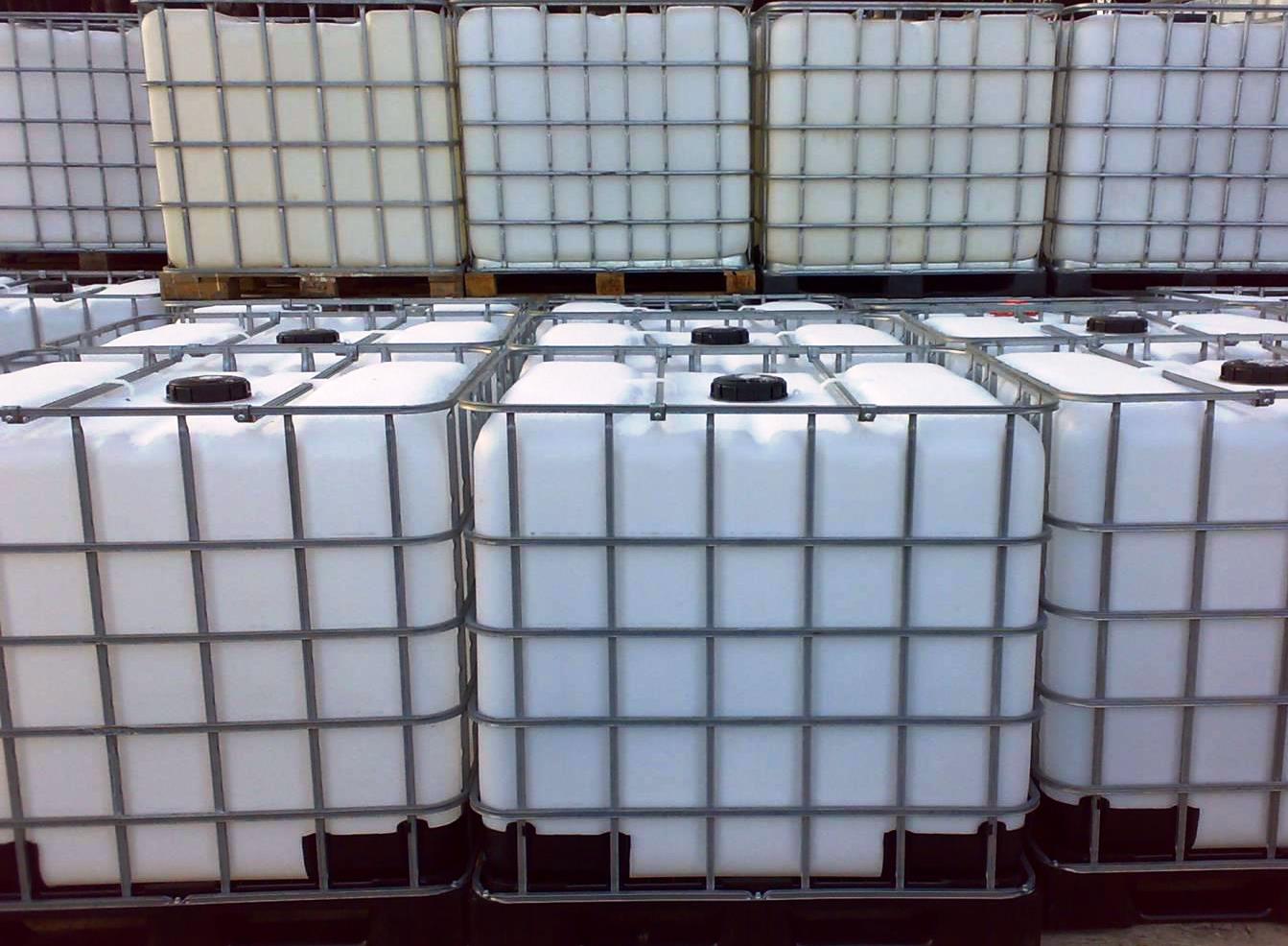
When storing and transporting solvents of brands 647, 648, 650, 646 and other multicomponent thinners, to reduce gas release from containers, it is necessary to pump the solvent from one tank to another only in case of extreme necessity.
As for the location of the receiving pipeline of the container, it must ensure the entry of the substance under the liquid layer. It is strictly forbidden to feed the solvent into the tank in the form of a falling stream, it is not allowed to pump and drain the solvent using compressed air. Pumping is carried out with the help of special pumps.
The speed of outflow and movement of solvents, which is safe for discharges of static electricity, should not exceed 1.2 m/s in the case of pipelines with a diameter of up to 200 mm.