
What is dichloromethane?
Dichloromethane (methylene chloride) is a popular industrial solvent. It is a transparent, easily mobile and volatile liquid with a sweet smell characteristic of halogen derivatives. It was first synthesized in 1840 by keeping a mixture of chlorine and methyl chloride in the light.
Dichloromethane is also called methylene chloride, chloromethyl, methylene chloride, DCM.
Dichloromethane formula
This solvent is obtained by direct chlorination of methane with chlorine under the conditions of a radical mechanism at 400°C – 500°C in a ratio of 5:1. As a result of this process, a mixture of all possible chlorides is obtained, which are then separated by distillation. Dichloromethane has a purity of at least 99.7%.
Methylene chloride has the formula CH2Cl2.
The structural formula of dichloromethane is presented below:
The main properties of methylene chloride
The liquid is colorless, transparent, volatile, has a characteristic sweet smell of ether. Slightly soluble in water, perfectly soluble in organic solvents. During dissolution in hot water, it is destroyed, decomposing into formaldehyde and hydrochloric acid. It is low-toxic compared to other types of solvents.
It reacts with chlorine to produce chloroform. Reacts with other halogens: iodine, bromine. Interacts with alcohol and aqueous solutions of ammonia. It reacts with aromatic hydrocarbons, for example, with benzene.
Reacts very violently (up to explosion) with alkali metals.
The solvent has the following chemical properties:
- Boiling point: 39.6°C
- Density: 1.33 g/cm³
- Melting point: -97 °C
- Flash point: 14 °C
Dichloromethane and its application in various fields
Methylene chloride is widely used in many industries. This is due to its high level of volatility and ability to dissolve compounds.
DCM is often used in aerosol products, this is due to the fact that it is able to evaporate at ambient temperatures.
The dichloroethane vapor has a high temperature, which ensures the equilibrium of the DCM vapor and the liquid inside the cylinder under pressure.
Dichloromethane in the chemical industry
In the chemical industry, chloromethyl is used for the production of synthetic polymers, such as polyurethane foams (foaming agent), foam rubber, synthetic fibers, as well as the production of plastic molds.
In addition, this substance is used as a solvent for extraction and chromatography, as well as organic compounds in organic synthesis.
Methylene chloride is also used in the process of concentration and purification of such compounds as: alcohols, ketones, aldehydes, amino acids, nucleotides, peptides, sugars, steroids, etc.
The properties of dichloroethane are used for the production of foam rubber, as well as for gluing various types of plastic, including:
- polystyrene;
- plexiglass;
- ABS polymers;
- polycarbonates.
Methylene chloride in pharmaceuticals
Dichloromethane is used in the pharmaceutical industry to create ascorbic acid.
DCM in the food industry
Chloromethyl is also used in the food industry for the production of various flavorings that are added to sweets, juices, ice cream, etc. It is used as a solvent for fatty compounds during the processing of exotic fruits. Dichloromethane is widely used in the extraction process and takes part in the production of tea, coffee and beer.
Methylene chloride in laboratory practice
Also, methylene chloride is used to analyze ordinary water for toxicity and the presence of heavy metals, nitrites and nitrates, etc. in its composition.
Dichloromethane and its use in the paint industry
It is used to remove the greasy film from concrete, bitumen and ceramics. It is an excellent resin solvent and degreases metal structures before applying paint and varnish materials. Also, this solvent is part of aerosol paints. It is widely used to remove an old layer of paint or varnish from any surfaces.
The use of chloromethyl in the perfumery industry
Due to the fact that the properties of this solvent allow for extraction, dichloromethane is used for the production of aromatic substances, which are then used in perfumery.
Other areas of application of methylene chloride
In addition to the above industries, dichloromethane is also used in the production of film, due to its ability to glue plastic.
In agricultural activities, this solvent is part of some pesticides and fumigants.
Advantages of dichloromethane as a solvent
In general, dichloromethane is a popular type of solvent that is widely used in many industries due to a number of advantages:
- excellent properties to remove fats and acids;
- simple production;
- solubility in relation to most organic substances;
- affordable prices;
- easy to use;
- easily removed from surfaces after treatment.
Safety measures when working with dichloromethane
Dichloromethane is a toxic and dangerous liquid, does not burn well, but supports combustion, is very dangerous when mixed with air, because it can cause an explosion.
Ingestion or long-term inhalation of vapors may irritate mucous membranes and respiratory organs, poisoning may occur, which will be accompanied by symptoms of nausea, dizziness, headache, diarrhea. All this can lead to diseases of the liver and pancreas, as well as respiratory and cardiac arrest.
Methylene chloride can cause burns when exposed to the skin for a long time.
This solvent is harmful to human health!
TOPKHIM does not advise using any household products containing methylene chloride at home!
Due to such a wide list of side reactions and the danger of this solvent, working with dichloromethane requires the following safety rules:
- Hoods – when working with this solvent, you should take care of good ventilation to avoid the impact of harmful vapors on human health. In laboratories, all work with dichloromethane is carried out in a fume hood.
- Skin protection – use protective clothing with long sleeves and protective gloves (non-latex and non-nitrile). This will help protect the skin from burns.
- Eye and respiratory protection – safety glasses and respirators must be used for reliable protection. In this way, poisoning due to inhalation of harmful vapors can be avoided.
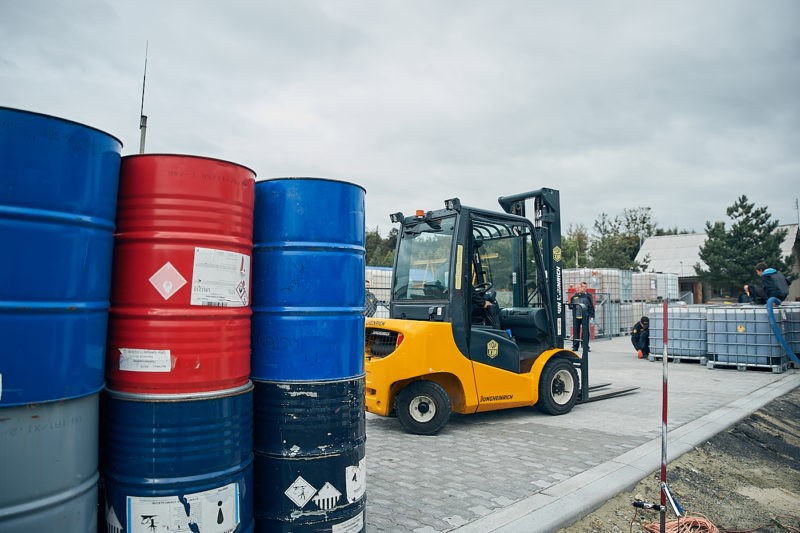
- Proper storage / transportation – store this solvent in a normal steel container. It is allowed to store not indoors, but outside under a canopy. If dichloromethane is stored in a warehouse, care should be taken to ensure that it is cool, dry and ventilated. Transportation of this substance can be carried out by any type of transport, it is mandatory to mark the container and transport with the sign Xn (harmful substance).
- Fire safety – containers with chloromethyl should be kept away from sources of fire and heat. Avoid direct sunlight. The liquid itself is non-flammable, but supports combustion, which means that if it comes into contact with fire, it will flash.
Frequently asked questions about methylene chloride
What is the formula of dichloromethane?
Dichloromethane has the formula CH2Cl2.
What is dichloromethane used for?
Dichloromethane is used as a solvent for most organic substances, for the extraction process, is part of aerosol paints, for degreasing surfaces, for the production of foam products, for the creation of ascorbic acid.
What is the smell of dichloromethane?
This solvent has a characteristic sweetish smell for halogenone-like substances.